Understanding and Managing Stinging Insects: Bees, Wasps, and Hornets
Stinging insects such as bees, wasps, and hornets can be a nuisance around your home, especially in the warmer months in southeastern Pennsylvania. Knowing the differences between these insects, their behaviors, and how to manage them can help keep your family safe and your outdoor spaces enjoyable.
Identifying Stinging Insects
Before you can manage stinging insects effectively, it's crucial to identify them correctly. Here's a quick overview of the main types:
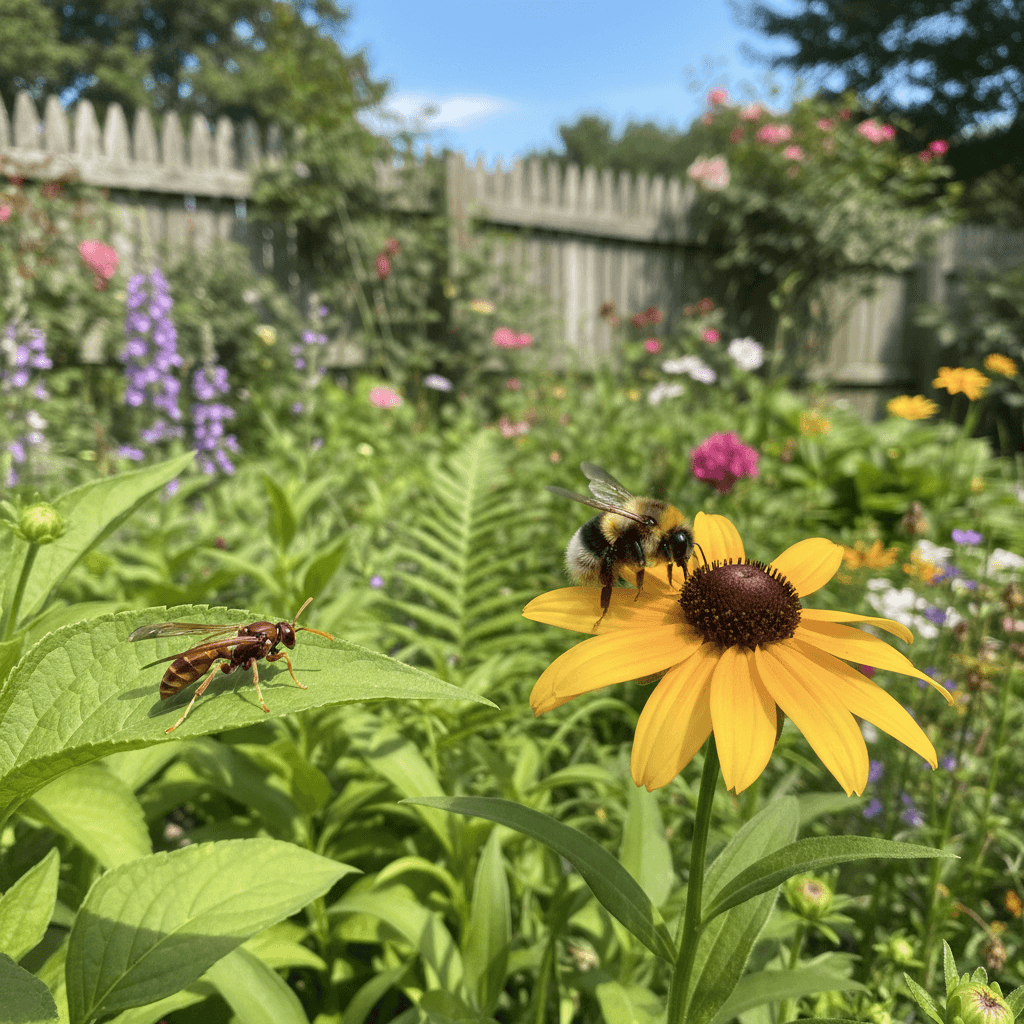
- Bees: Typically fuzzy and robust, bees are primarily pollinators. They have a more docile nature and usually only sting when threatened.
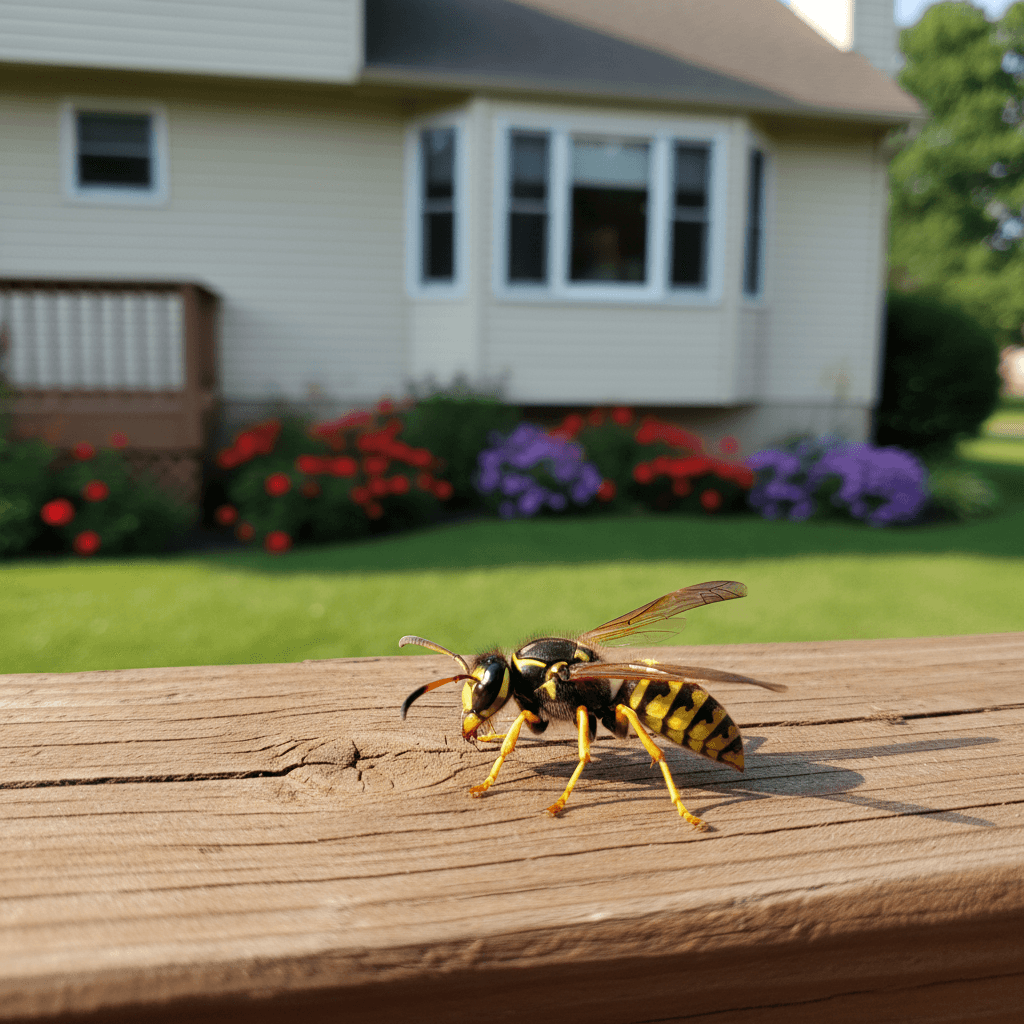
- Wasps: Slimmer and more aggressive, wasps are known for their predatory behavior. They are more likely to sting without much provocation.
- Hornets: A type of wasp, hornets are larger and more aggressive. They can be particularly territorial and will defend their nests vigorously.
Behavior and Nesting Habits
Each type of stinging insect has distinct behaviors and nesting preferences that you should be aware of:
- Bees: Usually build hives in tree hollows, wall cavities, or occasionally in man-made structures. They are most active during the day and prefer to stay close to their nests.
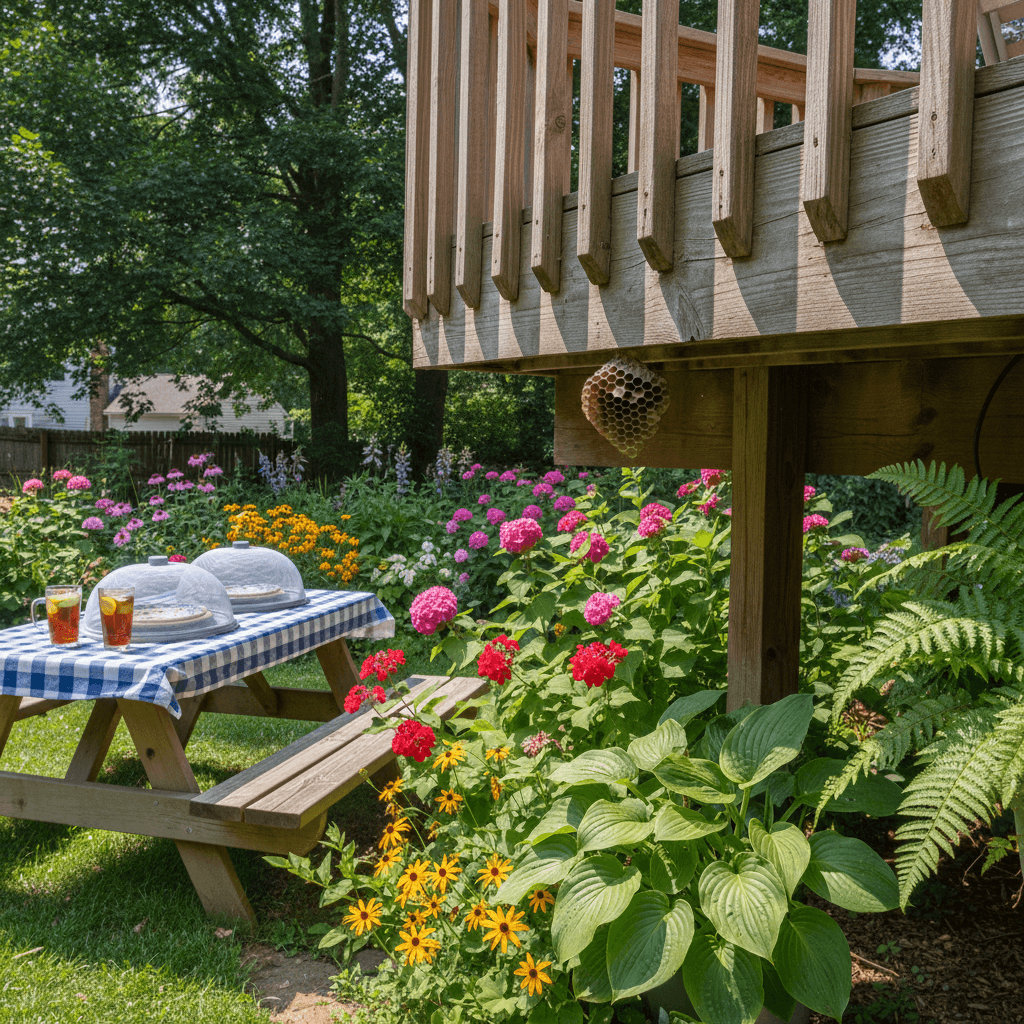
- Wasps: Construct paper-like nests, often found in eaves, attics, or underground. Wasps are social insects that can become aggressive, especially in late summer when their food sources dwindle.
- Hornets: Build large, aerial nests in trees, shrubs, or under eaves. Like wasps, hornets can become aggressive if they feel their nest is threatened.
Seasonal Timing in Chester and Delaware Counties
In southeastern PA, stinging insects tend to be most active from late spring to early fall. Early summer is when colonies are at their peak, and the risk of stings increases. As the weather cools in late fall, these insects begin to die off, making it a less active time for encounters.