Identifying and Managing Stinging Insects in Your Backyard
As warmer weather arrives in southeastern Pennsylvania, stinging insects like bees and wasps become increasingly active. Understanding how to identify these pests and their nests is crucial for safe management and avoiding painful stings. This guide offers practical tips for recognizing common stinging insects and effective control methods.
Identifying Stinging Insects
Stinging insects can vary significantly in appearance, behavior, and nesting habits. Here are some of the most common types you might encounter in Chester County and Delaware County:
- Honey Bees: Recognized by their fuzzy bodies and yellow and black stripes, honey bees are essential pollinators. They typically build hives in tree hollows or man-made structures.
- Bumblebees: Larger and rounder than honey bees, bumblebees are also fuzzy and have a similar color pattern. They often nest in the ground or in abandoned rodent burrows.
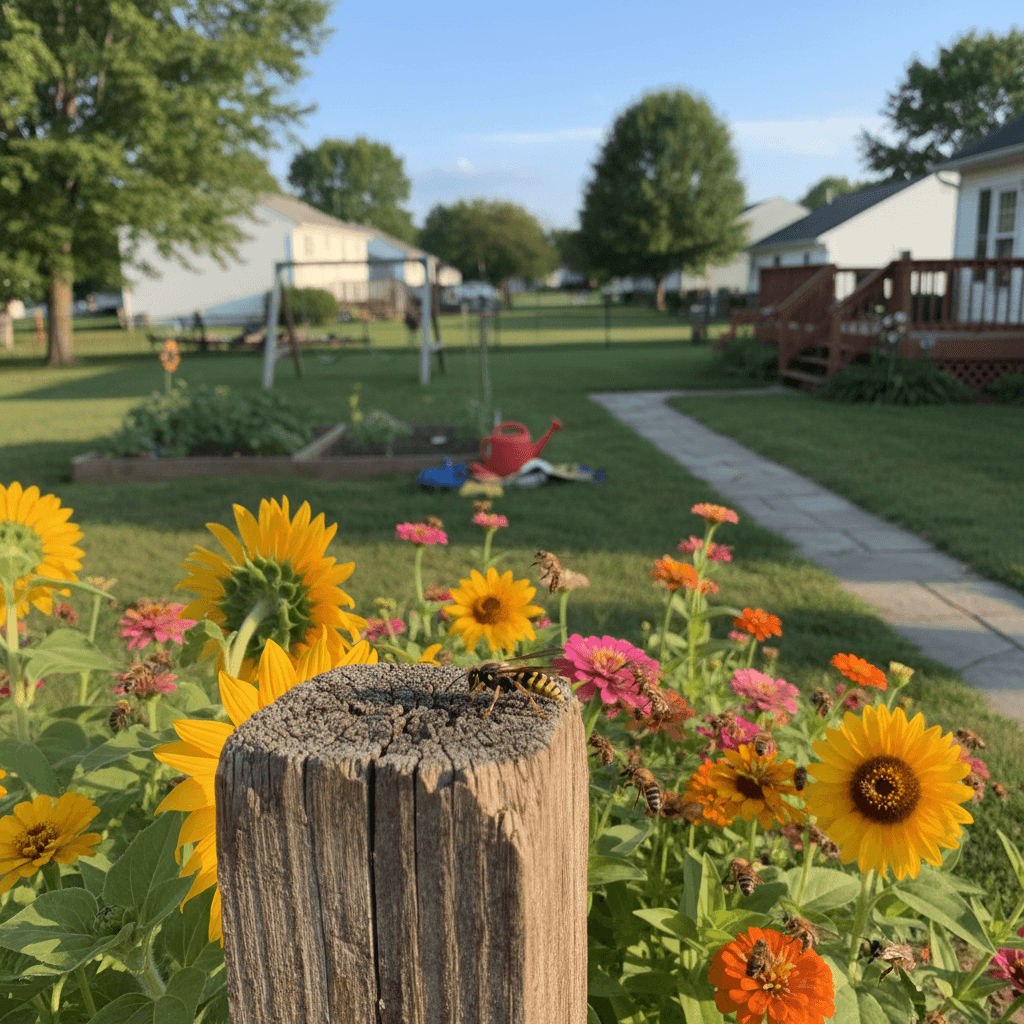
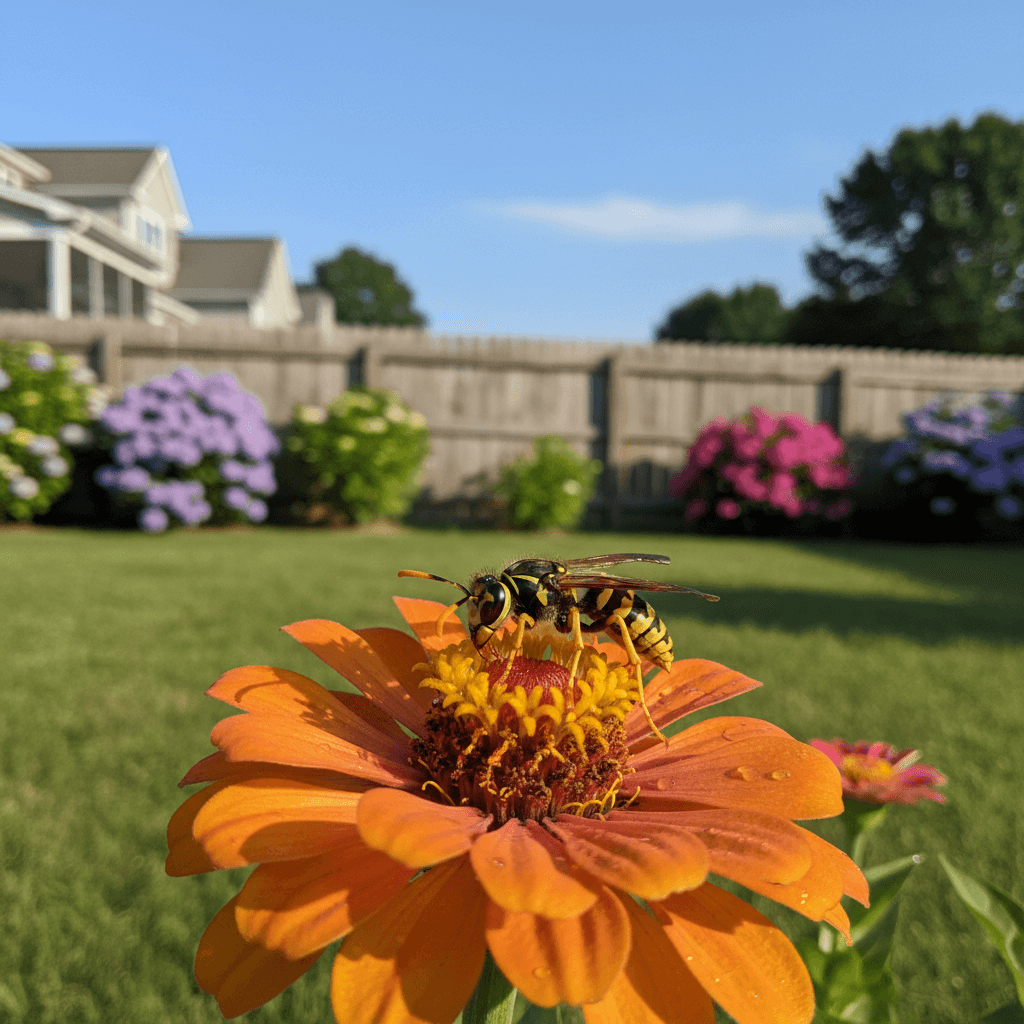
- Yellowjackets: These wasps are known for their aggressive behavior and distinctive yellow and black markings. They often build paper-like nests in the ground or in wall cavities.
- Paper Wasps: With long, slender bodies and a unique umbrella-shaped nest, paper wasps are relatively docile unless their nest is threatened.
Recognizing Their Nests
Identifying the nests of these stinging insects can help you manage them effectively. Here are some tips:
- Honey Bee Hives: Typically found in tree hollows or beekeepers' boxes, these hives are often busy with activity.
- Bumblebee Nests: Look for nests in the ground or in sheltered areas such as old compost piles.
- Yellowjacket Nests: Often located underground or in wall cavities, yellowjacket nests can be recognized by their papery exterior.
- Paper Wasp Nests: These nests are usually found hanging from eaves or branches and have a distinctive open structure.
Safe Management Techniques
When dealing with stinging insects, safety is paramount. Here are some management techniques to consider:
- Observe from a Distance: If you spot a nest, keep your distance and observe the insects to understand their behavior.
- Wear Protective Clothing: If you need to approach a nest, wear long sleeves, pants, and head protection.
- Natural Deterrents: Consider using natural repellents like peppermint oil or vinegar to deter bees and wasps.
- Professional Removal: For large or aggressive nests, it’s best to contact pest control professionals like Absolute Pest Services to handle the removal safely.
Warning Signs of Stinging Insects
Watch for these warning signs that indicate the presence of stinging insects:
- Increased insect activity around food and garbage.
- Visible nests in trees, eaves, or the ground.
- Frequent buzzing sounds near certain areas.
- Insects aggressively defending their nests.
What to Do Next
If you suspect the presence of stinging insects in your backyard, follow these steps:
- Observe the insects from a safe distance to identify the type.
- Assess the nest size and location to determine if it poses a threat.
- Consider natural deterrents or consult with professionals for safe removal.
- Take preventive measures to keep your backyard less attractive to stinging insects.
By recognizing the signs and understanding how to manage stinging insects, you can enjoy your outdoor space safely. If you're dealing with a wasp or bee infestation, don’t hesitate to reach out for professional help.
For expert assistance with stinging insect control in Chester County and Delaware County, contact Absolute Pest Services at 484-643-2225. We’re here to help you reclaim your backyard!